It happens when the eye grows (longer) than normal
What are the causes of Myopia?
Myopia (nearsightedness) is often hereditary, meaning children with one or both parents who are myopic have a higher risk of developing it. It can also be influenced by environmental factors, such as prolonged near work (like reading or screen use) and limited time spent outdoors in natural sunlight.
What is axial length?
-A typical adult eye measures about 23-24mm while eyes with Myopia are longer, especially as it progresses during childhood.
What is the relationship between Myopia and axial length?
Myopia is closely linked to an increase in axial length. As the eye grows too long, light focuses in front of the retina instead of directly on it, resulting in blurred distance vision.
An increase in axial length is the primary driver of myopia progression and an important indicator of long-term risk for eye conditions such as retinal detachment.
What is Myopia Management?
Myopia management is a personalized treatment approach designed to slow the growth of the eye. By managing this growth early, we can help reduce the risk of serious eye conditions later in life and support long-term eye health.
Why act now?
Higher levels of myopia can increase the risk of serious eye conditions in adulthood.
The goal of Myopia Management if to keep your child’s prescription lower and protect long term vision and Eye health.
THE RISKS OF HIGH MYOPIA:
CONDITION
Increased Risk (at -6.00D or higher)
Retinal Detachment
10x More Likely
Glaucoma
3x More Likely
Myopic Macular Degeneration
40x More Likely
Cataracts
3x More Likely
FREQUENTLY ASKED QUESTIONS
“Can my child really handle contact lenses?”
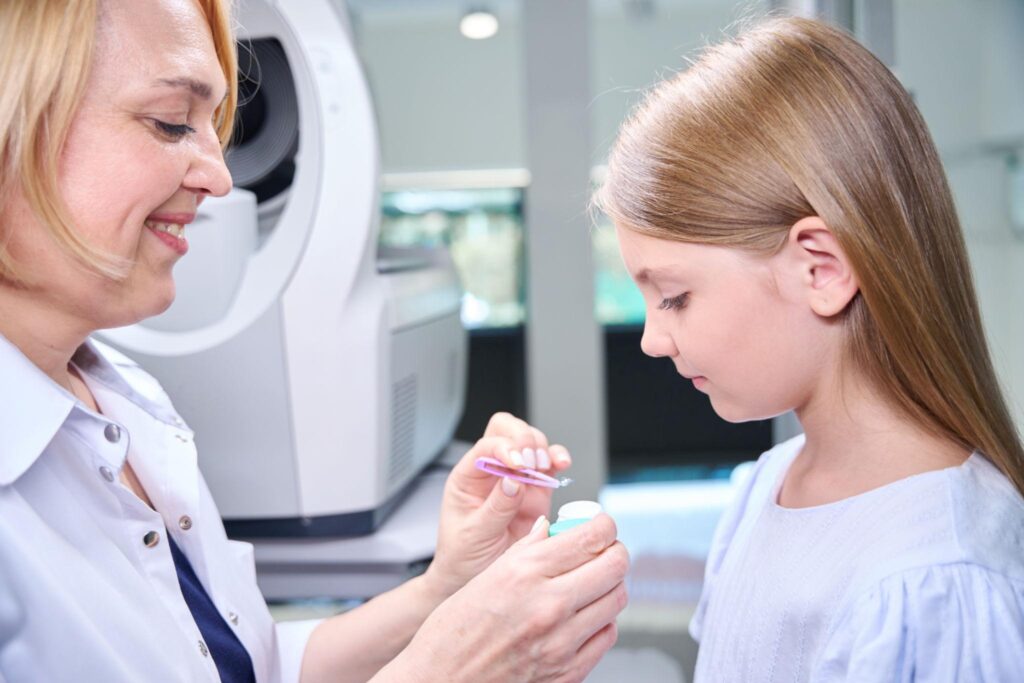
Yes! Research shows that children as young as eight can be very responsible with proper lens care. We provide a thorough insertion and removal training session to ensure your child feels confident, comfortable, and safe.
“Is this covered by my vision insurance?”
Most vision plans cover a standard eye exam and may include a portion of glasses or basic contact lenses. However, myopia management is considered a specialized service and is typically not covered by vision
insurance. Because of this, an annual global fee applies for each myopia management treatment plan prescribed by Dr. Mallavia.
“How long does treatment last?”
Myopia management typically continues until the eyes finish growing. This usually occurs in the late teens or early twenties. Throughout treatment we closely monitor your child’s axial length (the physical length of the eye) using advanced technology to track progress and ensure the possible results.
Myopia can impact more than just how clearly your child sees—it can affect their everyday activities, learning, and confidence.
You might notice your child:
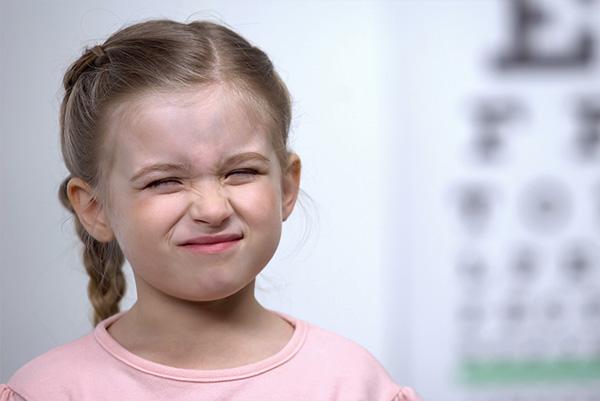
Squinting to see the board at school
Sitting very close to the TV or holding devices close to their face
Complaining of headaches or tired eyes
Struggling to see distant objects clearly (like signs or the board)
Losing interest in activities that require distance vision, like sports
Because children often don’t realize their vision isn’t normal, these signs can be easy to miss. Regular eye exams are key to catching myopia early and keeping your child seeing their best.
DON’T WAIT FOR YOUR CHILD’S PRESCRIPTION TO GET STRONGER. EARLY INTERVENTION CAN MAKE A MEANINGFUL DIFFERNECE IN PROTECTING THEIR LONG-TERM VISION AND OVERALL EYE HEALTH. CALL US TO SET UP AN APPOINTMENT TODAY!
Ways we manage Myopia
STELLEST LENSES
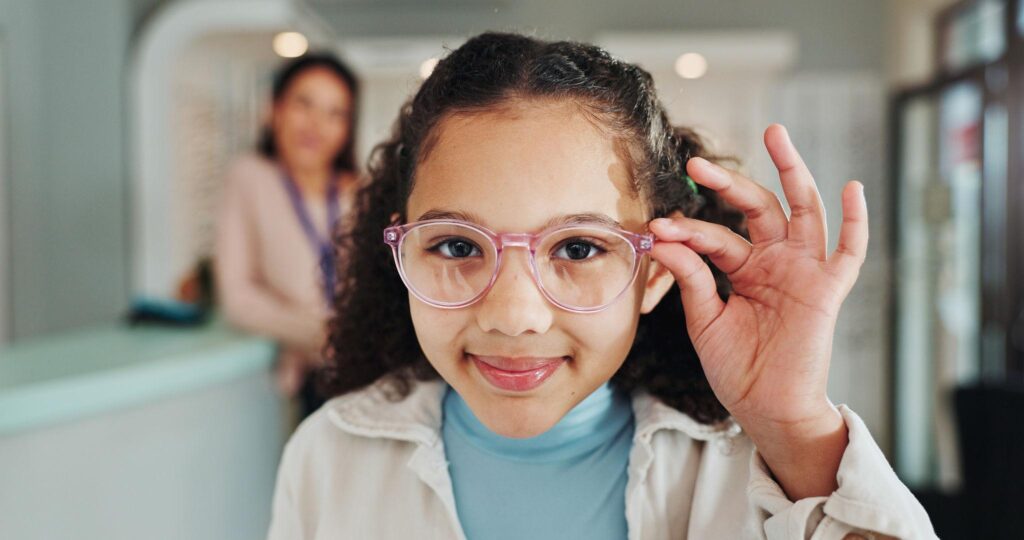
-These Lenses are comfortable and easy to wear and a great option for children who prefer glasses over contact lenses.
MiSight® 1 day Contact Lenses
These daily disposable lenses not only provide clear vision, but also help slow the progression of myopia over time.
Ortho-K (Overnight Lenses)
Ortho-K lenses are custom designed contact lenses worn overnight while your child sleeps. These lenses gently reshape the surface of the eye. Ortho-K lenses allow for clear vision though out the day without the need for glasses or daytime contacts.
Low-dose atropine eye drops
These drops are used once nightly and work by helping to control how quickly the eye grows. Low dose Atropine can reduce how fast your child’s prescription changes over time.
Low Dose Atropine is a great option for younger children or those who are not yet comfortable wearing contact lenses.
Watch Violet show us how easy it is to insert and take out her MiSight Contacts!